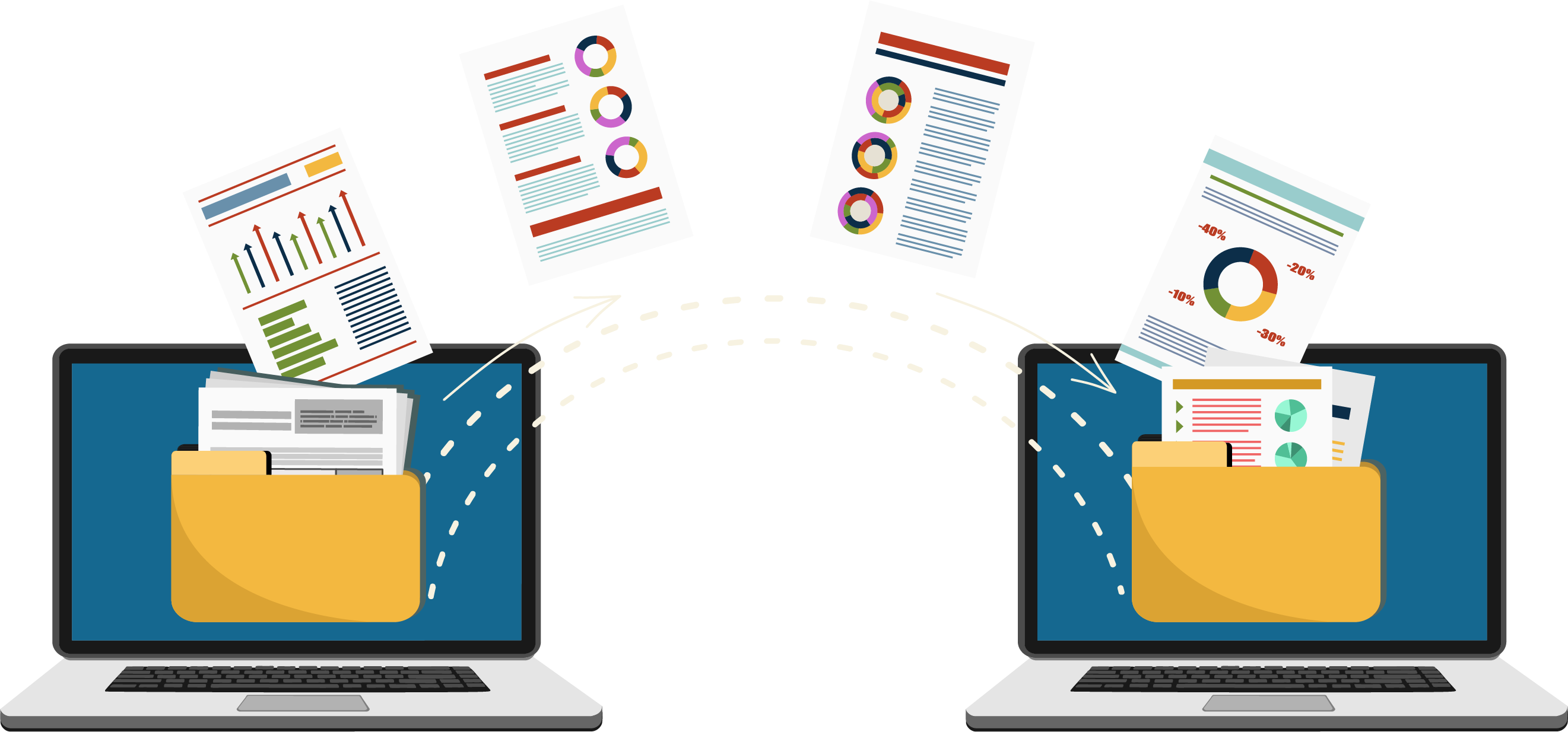
Understanding Data Transfer: How It Works and Why It Matters
Understanding data transfer is essential in our increasingly digital world. Data transfer refers to the process of moving data from one location to another, which can occur over a multitude of channels, including physical media and various networking protocols. This process allows devices, applications, and systems to communicate and collaborate, resulting in seamless experiences for users. The efficiency of data transfer impacts everything from website loading times to the quality of streaming services. Factors such as bandwidth, latency, and the protocols used play critical roles in determining how quickly and reliably data is transferred.
Understanding the intricacies of data transfer can significantly impact businesses, developers, and consumers alike. For example, when a business optimizes its data transfer protocols, it can improve operational efficiency and enhance user satisfaction. Moreover, in an era where data security is paramount, knowing how data transfer works helps individuals to safeguard their information. As we navigate a landscape dominated by cloud computing and mobile devices, mastering the principles of data transfer is not just beneficial; it is crucial for success in today’s digital age.
Counter-Strike is a popular first-person shooter game that has captivated millions of players around the world. It emphasizes teamwork and strategy, as players engage in thrilling matches between terrorists and counter-terrorists. Whether you're a seasoned veteran or a newcomer looking to improve your gaming setup, you might want to check out the Top 10 external ssds for mac to enhance your gaming experience.
The Hidden Challenges of Secure Data Transfer: What You Need to Know
When it comes to secure data transfer, many organizations focus primarily on encryption protocols and transmission methods. However, there are several hidden challenges that can undermine even the most robust security measures. For instance, user error is a significant factor; employees may inadvertently expose sensitive information by sharing credentials or using insecure networks. Additionally, malicious actors often exploit human vulnerabilities, making it essential to implement comprehensive training and awareness programs to educate users about best practices for secure data transfer.
Another critical challenge is the prevalence of outdated software or systems that lack modern security features. Regularly updating infrastructure is crucial to safeguard against emerging threats, including advanced persistent threats (APTs) and zero-day vulnerabilities. Without proper patch management and system upgrades, organizations leave themselves open to attacks that can compromise the integrity of secure data transfer. Therefore, it is vital to conduct regular security audits and maintain a proactive approach to ensure that both technology and personnel are equipped to handle the complexities of data security.
Common Data Transfer Mistakes: Are You Sending It Like You Mean It?
In the world of data transfer, even small mistakes can lead to significant setbacks. One common error is assuming that the data transfer process is seamless, often neglecting the importance of encryption and security protocols. For instance, when transferring sensitive information, failing to use a secure transfer method can expose the data to unauthorized access. It's crucial to always verify that the chosen method adheres to industry standards. In this way, you ensure that you're sending it like you mean it, protecting both the data and your reputation.
Another frequent mistake involves the lack of proper monitoring during the data transfer process. Not staying informed on the transfer status can lead to misunderstandings and missed deadlines. To avoid these pitfalls, implement a tracking system that provides real-time updates and notifications. This allows you to address any issues as they arise and confirms that the data reaches its destination intact. By focusing on these key aspects, you can significantly improve your data transfer practices and enhance overall efficiency.