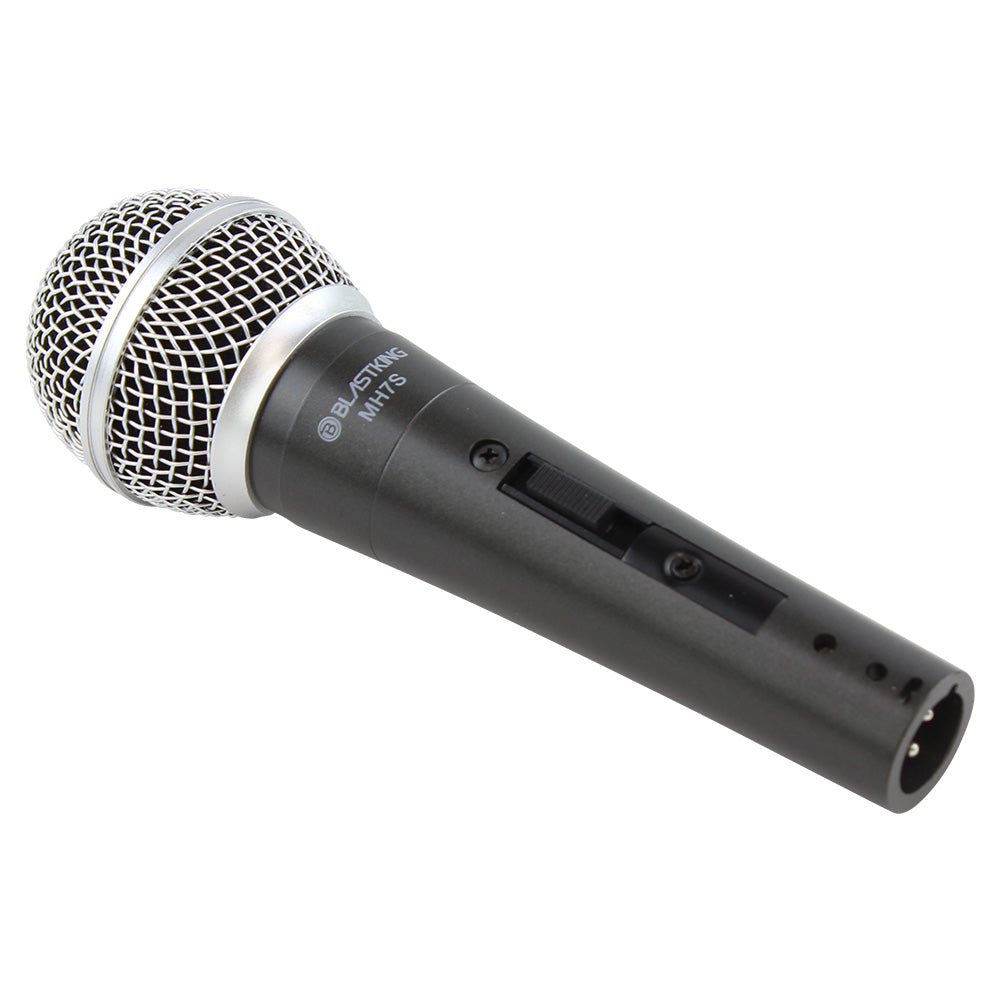
Understanding Microphone Types: Which One is Right for Your Recording?
When it comes to choosing the right microphone for your recording needs, understanding the different microphone types is essential. There are primarily three categories of microphones: dynamic microphones, condenser microphones, and ribbon microphones. Each type has its unique characteristics and ideal use cases. For instance, dynamic microphones are durable and handle high sound pressure levels, making them perfect for live performances and loud sound sources. In contrast, condenser microphones are more sensitive and provide a broader frequency response, making them great for studio recordings, vocals, and acoustic instruments.
Before making a decision, consider factors such as pickup patterns, frequency response, and the environment in which you will be recording. Omnidirectional mics capture sound equally from all directions, while cardioid mics are more focused and reject off-axis noise, which is ideal for isolating sound sources. If you're still unsure which microphone is right for you, it may help to experiment with different types to find the best fit for your specific recording needs. Understanding microphone types and their features will ultimately enhance your recording quality and help you achieve the sound you're aiming for.
Counter-Strike is a popular tactical first-person shooter series that has captivated gamers since its inception. Players typically assume the role of terrorists or counter-terrorists, engaging in team-based combat to complete objectives. Whether you're looking to hone your skills or find the right gear, check out the Top 10 iphone microphones to enhance your gaming experience.
The Science Behind Microphone Placement: Tips for Optimal Sound Capture
Understanding the science behind microphone placement is crucial for achieving optimal sound capture in any recording environment. The position of your microphone can greatly influence the quality of sound recorded, including clarity, volume, and the overall tonal balance. Factors such as directionality, the acoustics of the space, and the distance from the sound source all play significant roles. For instance, a common technique is to place the microphone within a foot of the sound source to minimize ambient noise while capturing the nuances of the performance. Additionally, using different microphone types—like dynamic, condenser, or ribbon microphones—can contribute to various sound qualities based on their pickup patterns and sensitivities.
To further enhance your recordings, consider the following tips.
- Start with a good angle: Position the microphone at a slight angle to the sound source, which can help reduce plosive sounds and provide a more natural tone.
- Utilize the three-to-one rule: When using multiple microphones, ensure they are spaced at least three times the distance from each other than they are from the sound source to avoid phase cancellation.
- Test different distances: Experiment with distances ranging from a few inches to several feet away from the source to find the sweet spot that captures the desired sound.
How to Choose the Perfect Microphone for Your Sound Needs
Choosing the perfect microphone for your sound needs can significantly enhance the quality of your audio recordings. Whether you're a musician, podcaster, or content creator, understanding the different types of microphones is essential. Dynamic microphones are excellent for live performances due to their durability and ability to handle high sound pressure levels. On the other hand, condenser microphones are preferred for studio recordings as they capture a wider frequency range and provide a more detailed sound. Consider the purpose of your recordings and your environment before making a decision.
Another important factor is the microphone's polar pattern, which influences how sound is captured. For instance, cardioid microphones are ideal for isolating sound sources and minimizing background noise, making them a popular choice for vocals and instruments. Alternatively, omnidirectional microphones capture sound from all directions, useful for group recordings or capturing ambient sounds. Before you invest, it’s crucial to assess not only your sound needs but also your budget and the technical specifications that suit your recording style best.