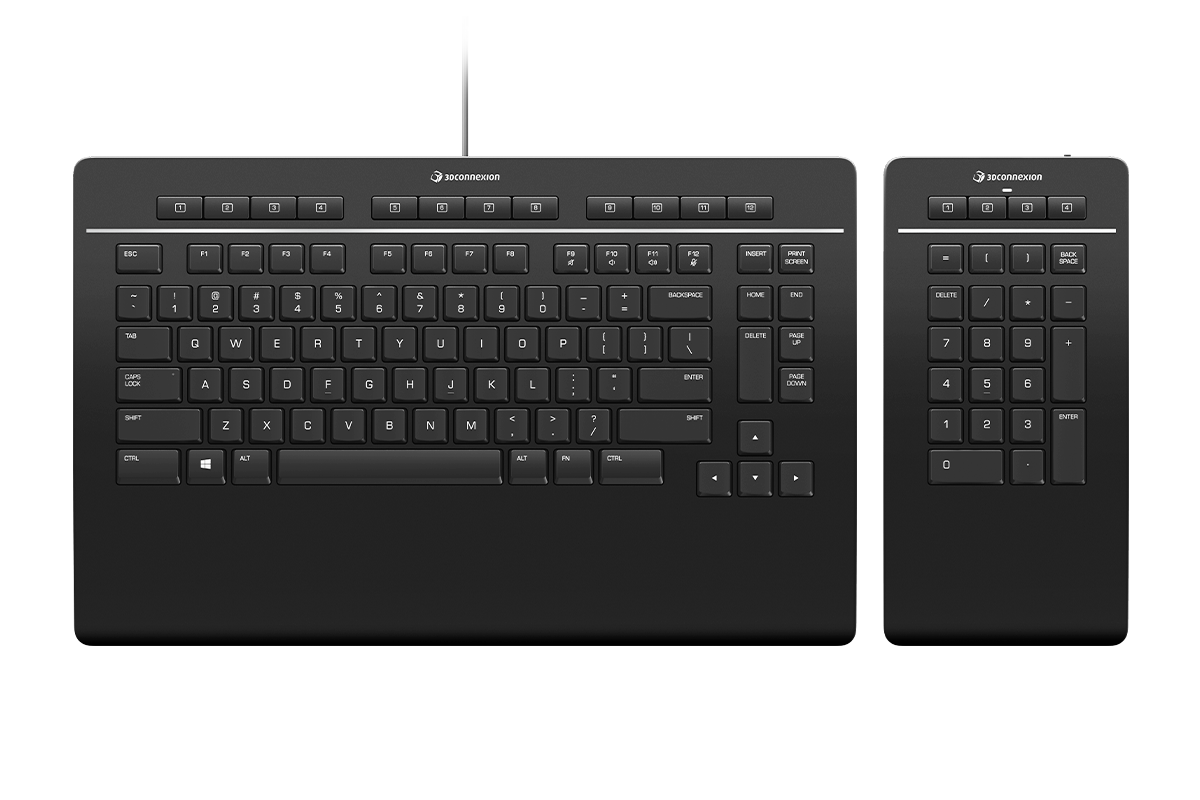
The Evolution of Keyboards: How Haptic Feedback is Changing the Game
The evolution of keyboards has reached new heights with the introduction of haptic feedback technology. Traditionally, keyboards relied on mechanical switches or membrane systems that provided a basic tactile response to users. However, as digital interaction increases, the demand for more intuitive and immersive experiences has led to the development of keyboards equipped with advanced haptic feedback systems. These modern devices simulate the sensation of pressing a key, providing users with a more satisfying and engaging typing experience. This shift is particularly significant for gaming and professional environments where precision and speed are paramount.
One of the key advantages of haptic feedback is its ability to enhance user productivity and comfort. By providing distinct vibrations or sensations that correspond to actions on the keyboard, users can receive instant tactile gratification, improving their typing accuracy and speed. Furthermore, haptic feedback can be customized, allowing for a personalized experience that caters to individual preferences. As we move forward, it's clear that the integration of haptic technology in keyboards will continue to change the landscape of typing, driving innovation and redefining how we interact with digital devices.
Counter-Strike is a highly popular first-person shooter game that emphasizes teamwork and strategy, where players take on the roles of terrorists and counter-terrorists. The game features various modes, maps, and weapons, creating a dynamic and competitive gaming experience. For those looking to enhance their gaming setup, you can check out the Top 10 Bluetooth Tablet Keyboards to find the perfect keyboard for your gaming needs.
Can Keyboards Really Improve User Experience? A Deep Dive into Interactive Input
When it comes to enhancing user experience, keyboards play a pivotal role in how we interact with our devices. A well-designed keyboard not only facilitates efficient typing but also contributes to overall productivity and satisfaction. For example, ergonomic keyboards are crafted to reduce strain on the hands and wrists, directly impacting user comfort during prolonged use. Furthermore, features like customizable keys and backlighting can greatly improve accessibility and user engagement, making the typing experience more interactive and enjoyable.
In addition to physical design, the interaction between keyboards and software has evolved significantly. With the rise of touchscreens and voice input, traditional keyboards must adapt to maintain their relevance. Interactive input methods, such as programmable macros or tactile feedback, can significantly enhance user experience by allowing users to personalize their interactions. As we explore the future of input devices, understanding the role of keyboards in creating a seamless and engaging user experience remains essential for both developers and consumers alike.
What Does the Future Hold for Interactive Keyboards? Trends and Innovations to Watch
As technology continues to evolve, interactive keyboards are set to undergo significant transformations that will reshape how we interact with our devices. One major trend is the integration of advanced tactile feedback mechanisms, which aim to simulate the sensation of physical keys. This innovation not only enhances user experience but also allows for greater customization. For instance, OLED displays embedded in keyboards can present context-specific layouts, enabling users to switch between different typing modes effortlessly. Moreover, the incorporation of AI-driven predictive text and autocorrect features promises to enhance typing efficiency and reduce errors.
Another exciting development in the world of interactive keyboards is the rise of gesture controls and touch-sensitive surfaces. These technologies enable users to perform complex functions through simple gestures, thus eliminating the need for multiple key presses. Additionally, as remote work and digital collaboration become increasingly prevalent, the demand for multifunctional keyboards that incorporate tools such as integrated microphones, speakers, and even virtual assistants is on the rise. As these trends continue to evolve, we can expect interactive keyboards to become more intuitive, versatile, and essential in our daily digital interactions.